Friday Flashback #148


Faux Pas (1989) by Softimage, Daniel Langois, Georges Mauro and Char Davies.

When I was Six (1993) by Michelle Robinson

Some commentary from Algorithmic Video Art: an internship report

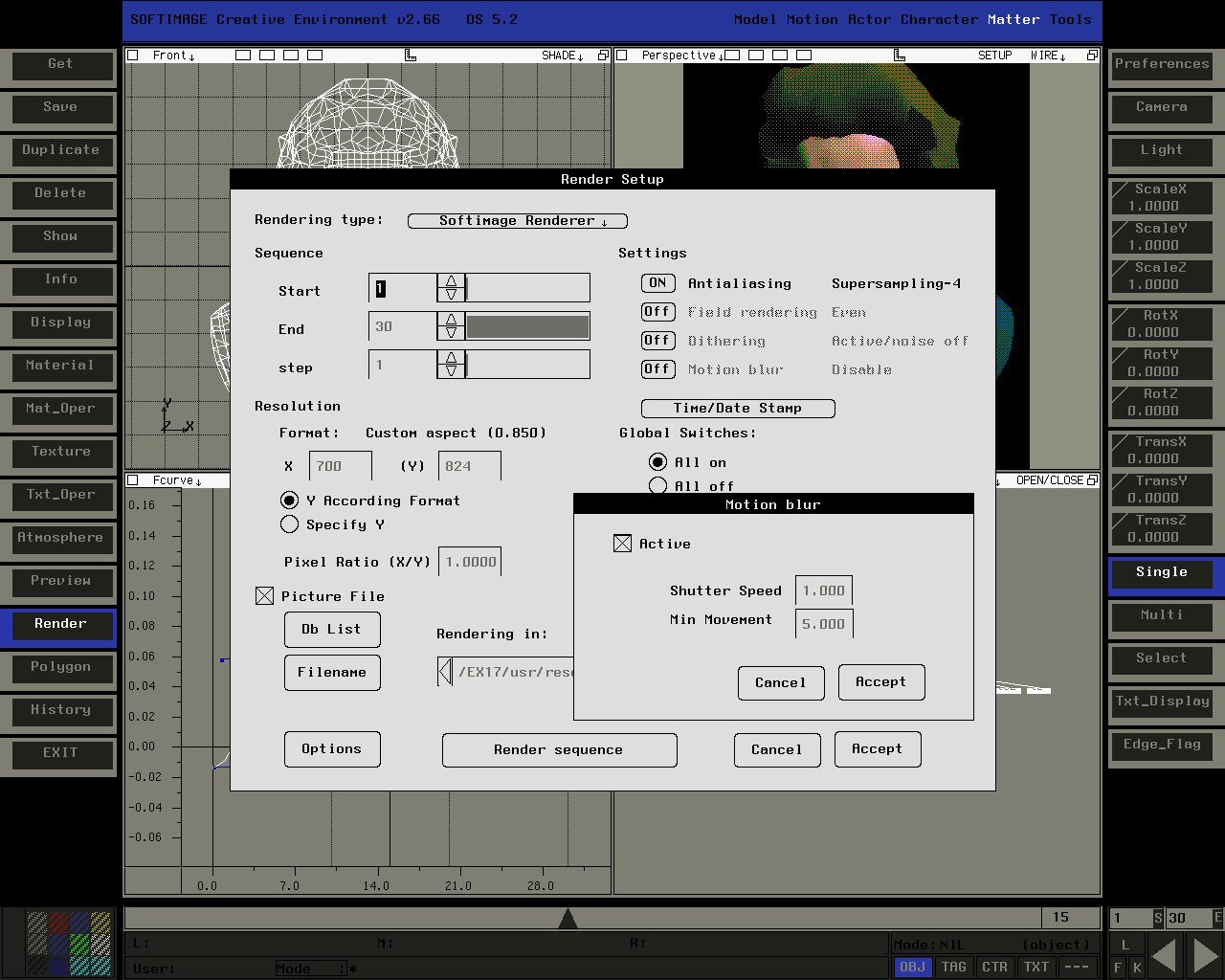
Exemplary for this stage is the use of the Softimage software in some of the ISEA videos. Softimage is the creator and publisher of software tools for artist whom work with computer generated imagery (CGI). Though Softimage mainly focuses itself on graphic tools for the creators of commercial films and video games, the company also supports educational and artistic projects23. During an early ISEA symposia one such project was Faux Pas (1989) created by artists Daniel Langois and Char Davies amongst others. This short animation of the anthropomorphism of a giant board of chess on which a rook (a chess tower) stumbles to his death, is surprisingly (hyper)realistic for the time it was made. One revels in the level of technological complexity, rather than in the tragedy which befall the chess pieces. Softimage is credited in both the animation itself and in most background information on the video. This means the technology used is flaunted explicitly and it becomes an important element of the work itself (almost to the point of it being an advertisement for Softimage).

The display of the capabilities of the current technology in Faux Pas, as if it were a technical experiment, seems to outweigh the artistic content. Through its derivation of conventions of realism, technology becomes the object of the work. The video When I was Six (1993) by Michelle Robinson uses Softimage software as well, but here the technology seems more secondary to Robinsons creative input. When I was Six is an animation filmed entirely from one perspective. Presumably it is the perspective of an imaginative six year old lying in bed and scared of the dark, for we see a dim room with bedchamber furniture which turns alive (much like the chess pieces in Faux Pas). The furniture, such as a closet and a chair, looms towards the “camera”, casting eerie shadows and threatening the viewer/six year old.

Although the software has undoubtedly improved since Faux Pas, it does not appear to be the main focus of Robinson. However, the film still derives conventions from other media forms such as animation and cinema. The graphic technology used in this work is no longer the object, but more of a means to an end and though the basic aesthetics are visibly different from the aesthetics of either animation or cinema, not much has changed in either form or content. These videos exemplify the critique Greenfield refers to on computer art which merely uses technology and software as a set of tools.

Friday Flashback #139


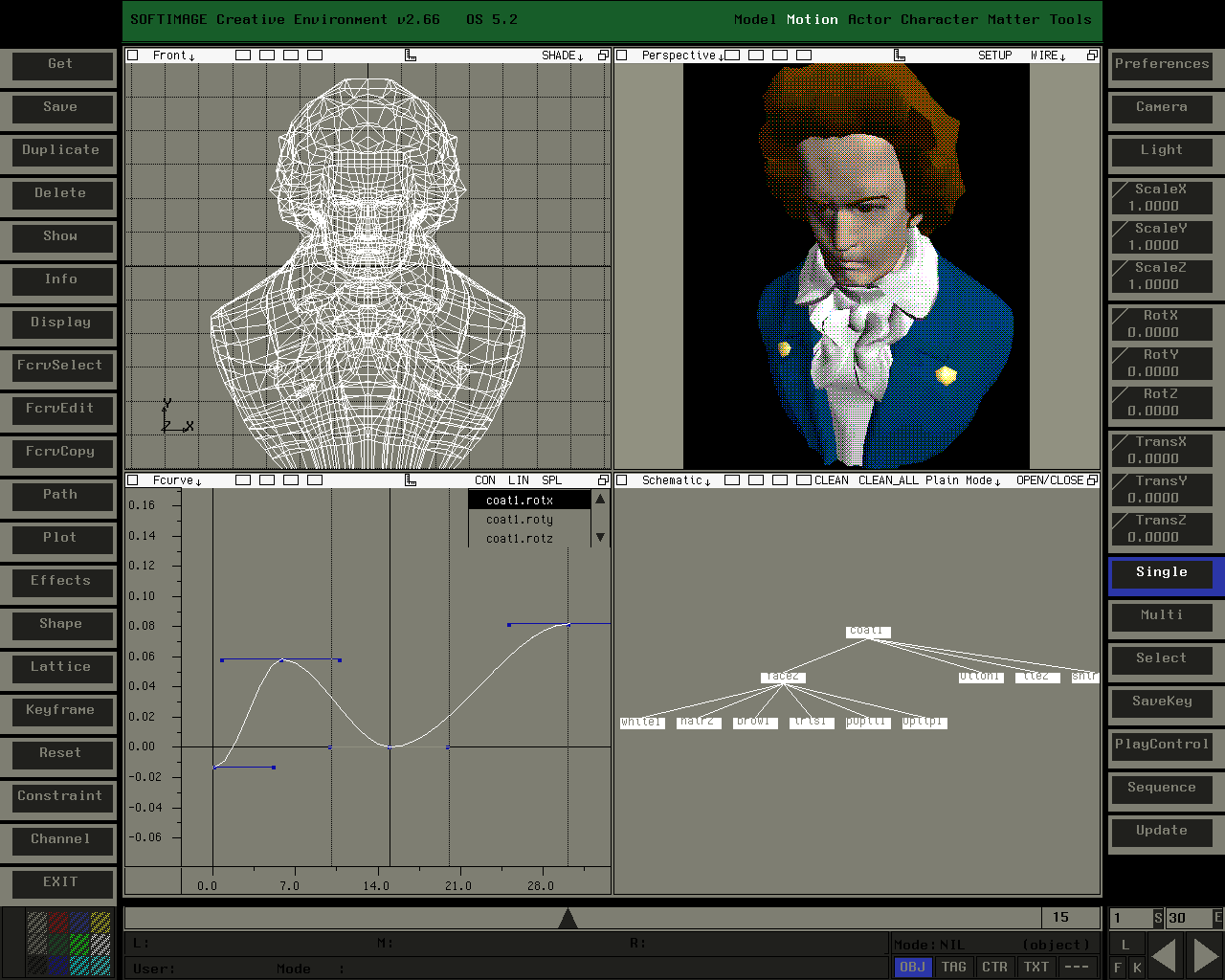
Softimage back then
In fiscal years 1998, 1997 and 1996, one customer, two customers and one customer, respectively, accounted for 27%, 36% and 23% of total revenues. [source]

G. MAJOR CUSTOMERS AND GEOGRAPHIC INFORMATION

In fiscal years 1998, 1997 and 1996, one customer, two customers and one customer, respectively, accounted for 27%, 36% and 23% of total revenues.

Softimage markets its products worldwide. Revenues are grouped into three main geographic segments: North America, Asia Pacific and Latin America, and Europe. Financial data by geographic area for the fiscal years 1998, 1997 and 1996 is as follows (in thousands):

                                      1998      1997       1996
                                      -----     ------     ------
Net revenue:
   North America                     $9,754     $10,288    $8,471
   Asia Pacific and Latin America    17,931      18,111    11,280
   Europe                             9,175       9,356    10,218
                                     -------    -------    ------
      Total net revenues            $36,860     $37,755   $29,969
                                     =======    =======    ======

Operating income (loss):
   North America                   $(12,144)   $(20,334) $(30,962)
   Asia Pacific and Latin America       122         119       173
   Europe                               248         257       333
                                    -------     -------    ------
      Total operating loss         $(11,774)   $(19,958) $(30,456)
                                    =======     =======    ======
Identifiable assets:
   North America                   $ 19,724    $ 22,433  $ 23,241
   Asia Pacific and Latin America        53          75        62
   Europe                               910       3,075     5,868
                                    -------     -------    ------
      Total identifiable assets    $ 20,687    $ 25,583  $ 29,171
                                    =======     =======    ======

Autodesk today
Thirty percent of company revenues come from 1% of customers. [source]

Friday Flashback #127


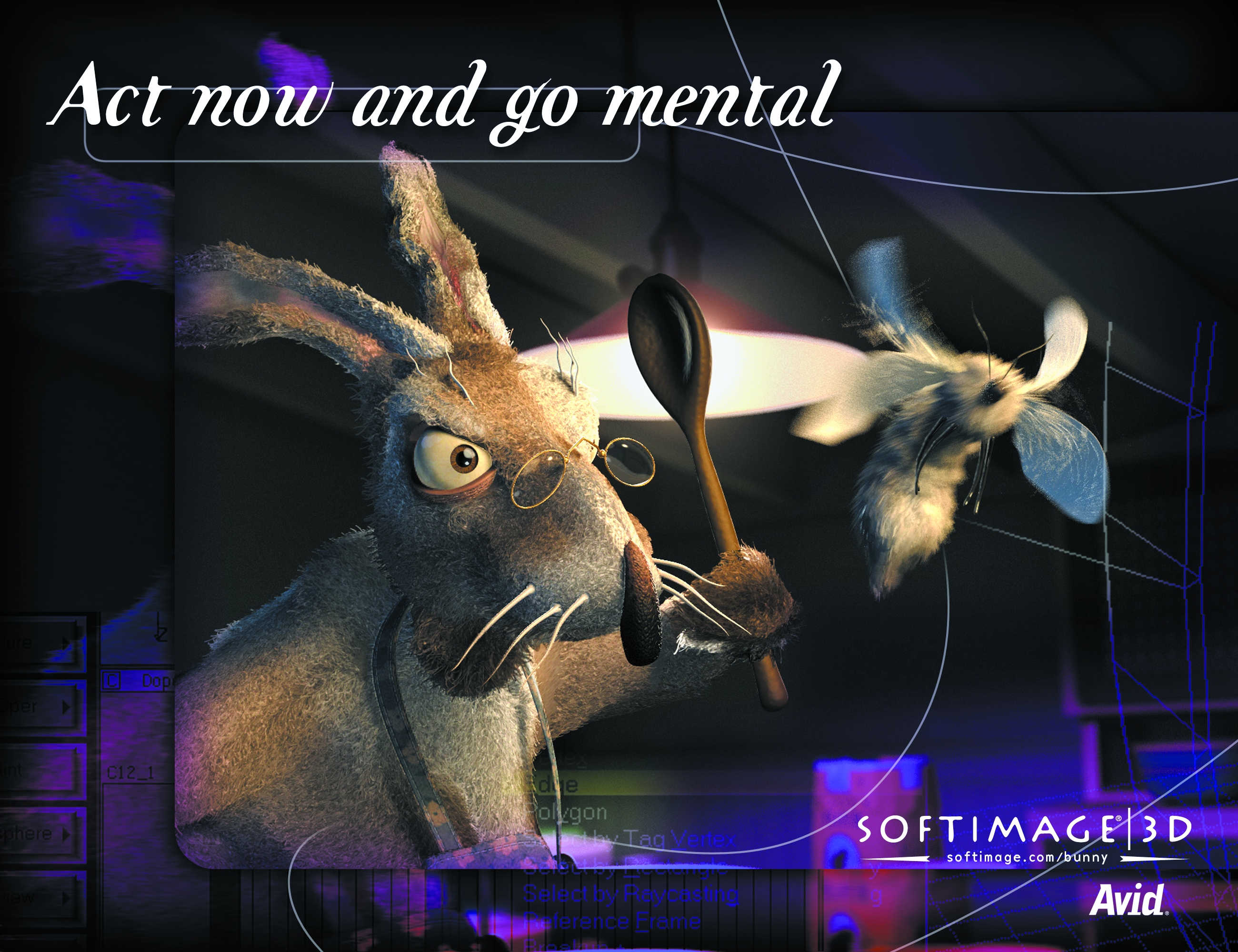
Falling Bodies, the Softimage|3D plug-in for creating your own fall stunts.
boxpicture2
From the Animats web site:

Animats introduced ragdoll physics technology in 1997. The Animats Falling Bodies> product was for years the most advanced ragdoll dynamics system on the market. Our technology for high-quality ragdolls is patented. This broad patent covers most spring/damper character simulation systems. If it falls, it has joints, it looks right, and it works right, it’s usually covered by our patent. This technology has been licensed to a major distributor of game development middleware.

https://vimeo.com/69759819
This is the original “ragdoll falling down stairs” animation, shown at the Softimage user group meeting in 1997. This is the first ragdoll demo ever. U.S. Patent #6,067,096.

–quote from the youtube version of this video (which wouldn’t play properly in Chrome, hence the vimeo version above)

Friday Flashback #115


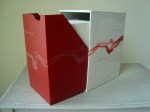
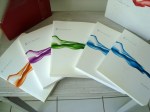
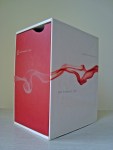
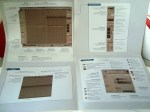
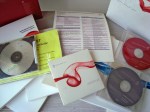
Many thanks to Ed Schiffer for these pictures.

The XSI 1.0 box set. They don’t package software like that anymore.

_DSC04625

_DSC04626